




A more sustainable, ethical, and zero-waste approach to weddings
Reports suggest that 4,910 tonnes of unrecyclable plastic was used up and left behind at British weddings last year, with this in mind, 77 Diamonds has released a planning guide to promote a more sustainable, ethical, and zero-waste approach to weddings.
Individually, one wedding can produce as much as 20kg of plastic waste. What's more, the black bags used to collect the rubbish are themselves potentially harmful. They can take as many as 90 years to break down under the ground. But it's not just plastic which has an impact. Food wastage is also a common theme for most weddings. A study from Sainsbury's revealed:
On average, £488 is wasted on food at every wedding
15% of people would only eat one or two of their three courses
The same number, 15%, of newlyweds would throw the remains of their cake away
37% of guests don't eat edible wedding favours
To put the wedding wastage into context, the average family home will throw away roughly £700 in food in one year. In other words, a few hours at one wedding can account for 65% of a home's wastage across an entire year.
Rising levels of carbon dioxide (CO2) in the atmosphere have directly led to warmer global temperatures, as warm air is trapped within the Earth's atmosphere. As NASA highlight, this has directly led to shrinking ice sheets, warming oceans and a general rise in global temperature.
Sadly, UK weddings are again one of the chief offenders when it comes to CO2 contributions. As many as 14.5 tonnes of the gas will be created during an average celebration.
That's a startling figure, given annual carbon emission per capita in the UK is just 9.1 tonnes. With roughly 250,000 weddings taking place every year, that's a net result of 3,625,000 tonnes of gas being emitted.
Let's discover how you can make each aspect of your big day more eco-friendly...
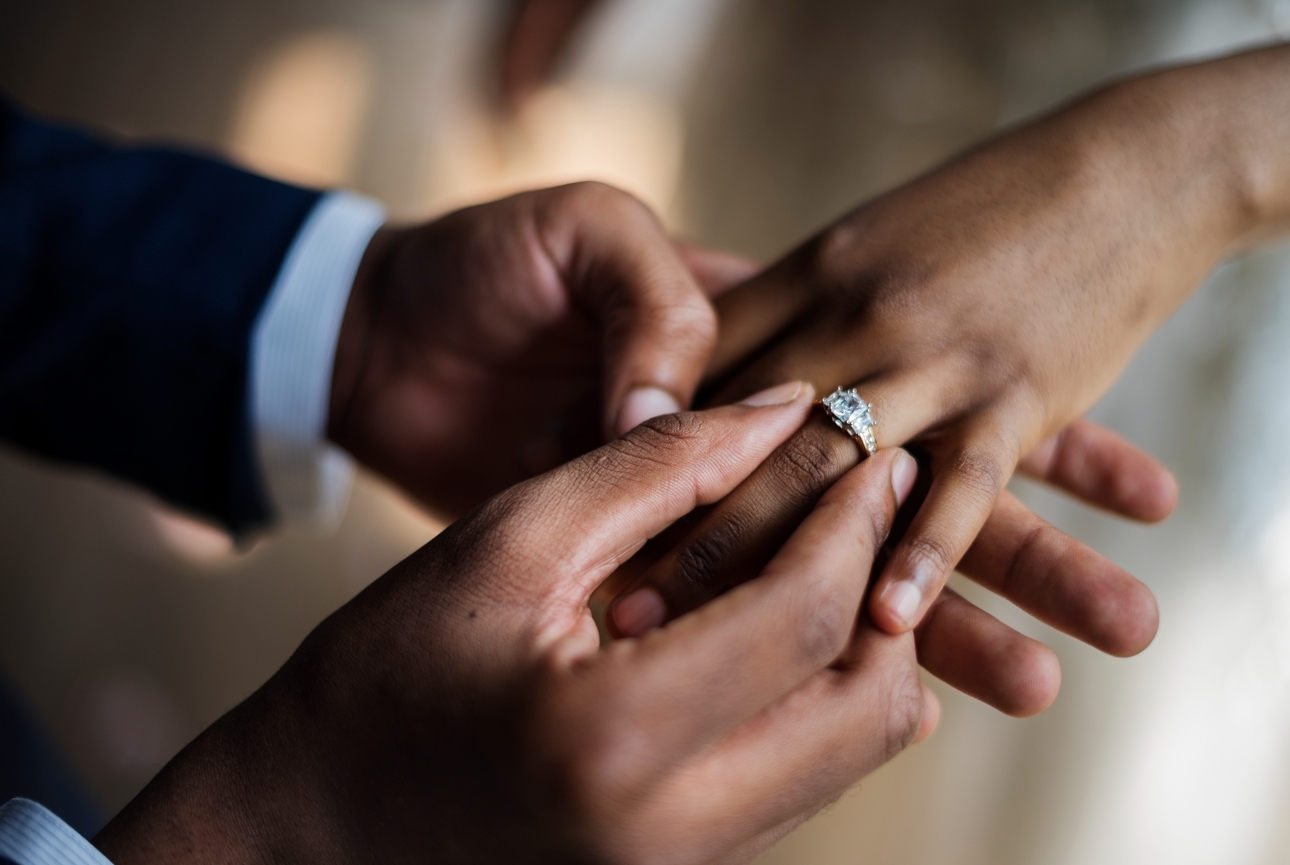
Ethical conflict-free rings Whether it's your engagement ring or wedding ring, there are ways you can ensure the precious stone you're using has been sourced ethically.
Research the jeweller Find out as much as you can about a jeweller before you purchase from them. If you're not sure what to look for, try to find signs like:
Funding for projects in communities where diamonds are ethically sourced
The supporting of initiatives which ensure the safe production of diamonds and precious gems
Open promotion about the fact their gems are sourced ethically
Speak to them first If you can't find any signs of their ethical nature, there's always the option of reaching out and directly asking a supplier where their diamonds come from. Consider asking them to be direct with their answer. If they aren't clear about the origin of their product, it might be wise to turn elsewhere.
Avoid areas of conflict While most countries have developed a fair and ethical production of diamonds, some areas remain questionable. If you want to be completely sure you're buying a diamond from a conflict-free zone, avoid producers like Zimbabwe, Angola, DR Congo, Ivory Coast and Liberia.
You don't have to compromise on the quality of your ring just because you're choosing an ethical option. Many diamond retailers have made this a priority in recent years, so you'll have plenty to choose from.
Eco-friendly décor You don't have to compromise on your perfect décor just because you're trying to make your wedding as green as possible. There are a number of clever techniques you can use to remain sustainable without sacrificing the aesthetic appeal of your big day.
Lighting Make the most of the daylight while you can. Setting up solar panels during this period can help to make a big difference later in the day. Collecting enough energy at this point could mean your entire evening is lit by a sustainable source. Failing that, you could employ the use of hundreds of beeswax candles. These can hang from the ceiling and provide natural lighting for the reception.
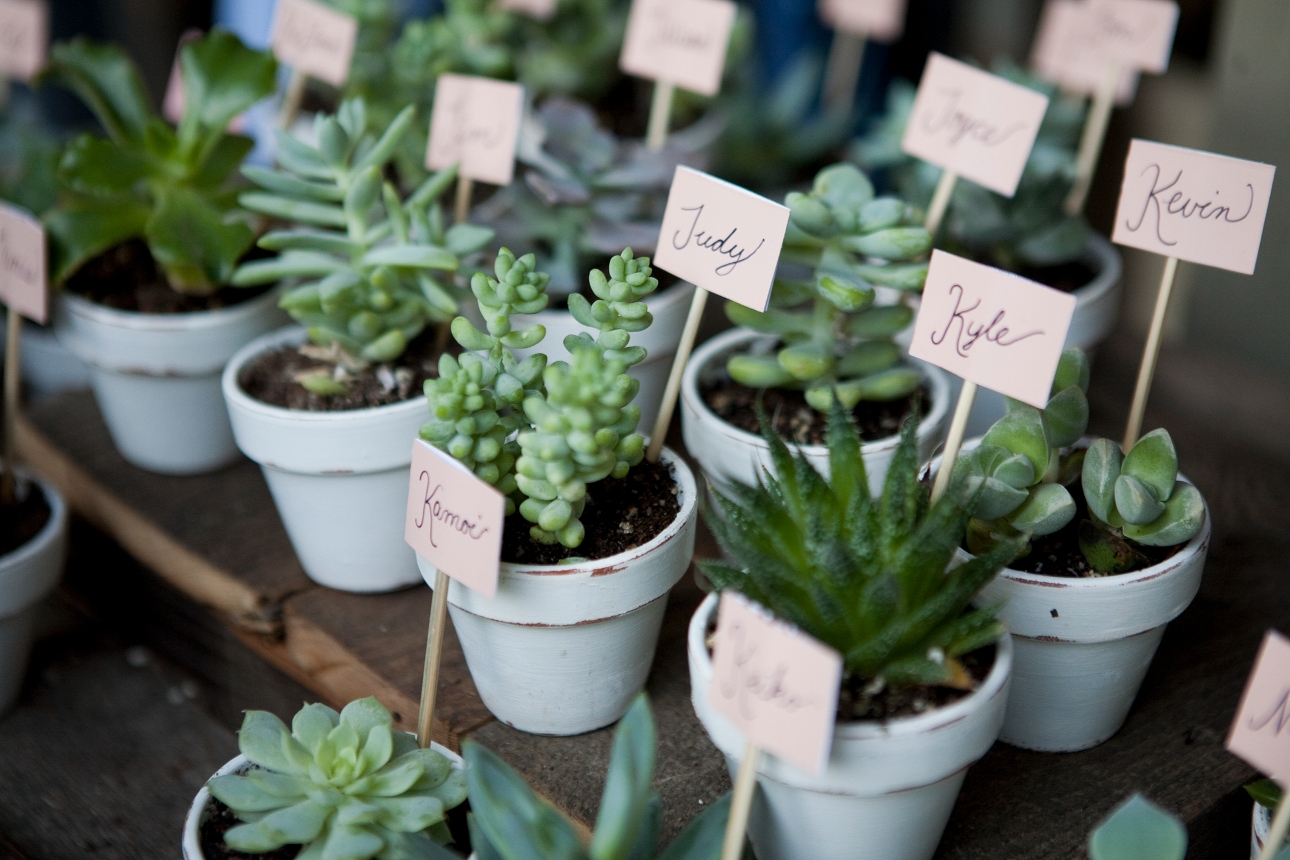
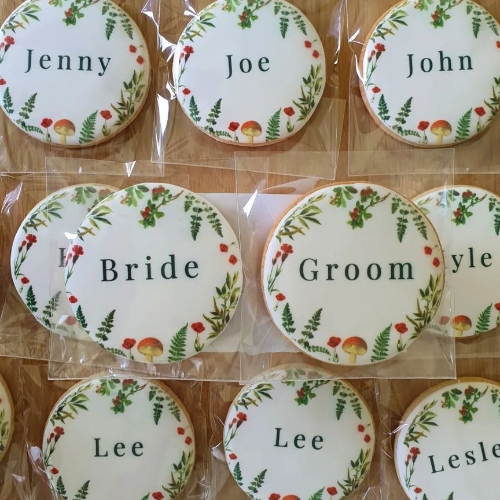
Place cards Any form of paper signage which you use can be sourced ethically, or even replaced altogether. When it comes to place cards, bamboo or recycled options are the best way to go. For your wedding invites, think instead about sending out electronic save-the-dates, and asking people to confirm their attendance online. If you know particular guests are not computer-savvy, reach out to them via the phone.
Confetti There's a relatively easy alternative to traditional confetti that comes in the form of biodegradable, dried out petals. These not only retain the aesthetic appeal of the original product but break down naturally in the environment without doing any damage.
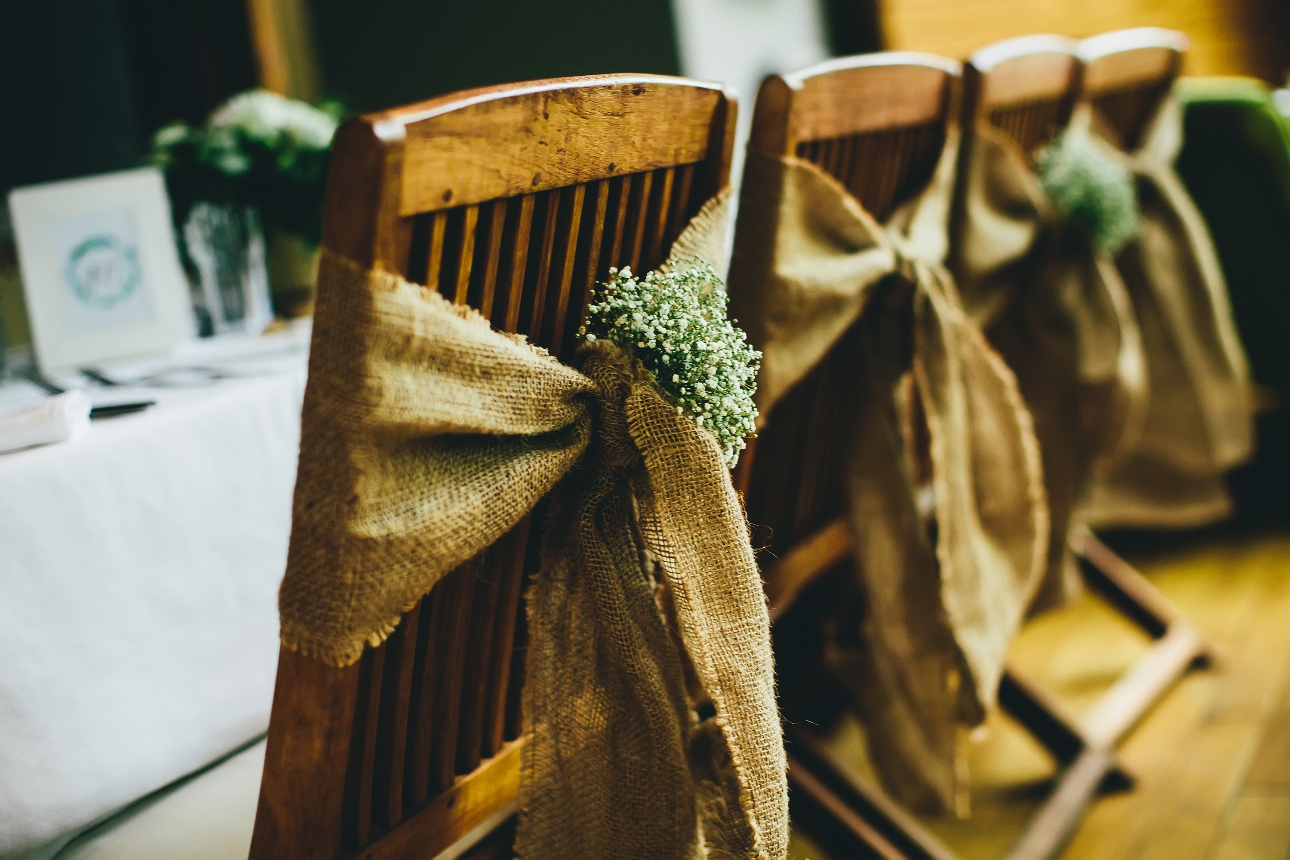
Other natural materials From the tablecloth to your napkins, there are a series of decorations which you can find made from materials like hessian, hemp or pure linen. When it comes to tableware, consider using rustic natural wood, sourced from sustainable forests. This extends to the likes of tables, bowls and even cutlery.
For more top tips, ideas and inspiration visit 77diamonds.com
Prenups are fast becoming a key part of wedding planning for many Brits, with new data from leading law firm Mills & Reeve showing a sharp surge in demand during the second quarter of the year, dubbed by the law firm as 'prenup season'. Brett Frankle, partner at Mills & Reeve, explains how the trend has developed and why more couples are choosing to put agreements in place ahead of their wedding. Over the last five years, we have seen a sharp rise in prenups between April and July, linked to summer weddings, preholiday planning and timesensitive instructions before ceremonies, with July proving particularly popular.
READ ARTICLE
The ‘I Do’ Dilemma: Why Couples Struggle to Sign Their New Names
More couples than ever are choosing to combine their surnames after marriage, but many are running into one unexpected problem: they can't sign their new name. Searches for "combined surnames" have risen by 37% in the past month, according to new data analysed by luxury pen brand Scriveiner. Interest has been steadily increasing over the past year, with a clear spike in the lead-up to wedding season between late spring and early autumn.
READ ARTICLE
The Overlooked Legal Steps That Could Invalidate Your Wedding
Planning a wedding in the UK comes with a surprising number of legal "gotchas" that couples often overlook. Following reports that Olivia Attwood and Stacey Solomon had elements of their weddings deemed non-legal, along with summer being peak wedding season, jewellers Queensmith are reminding couples of the most common legal pitfalls so they can enjoy their big day with peace of mind. From giving notice at the register office to having the right witnesses in place, missing just one requirement could mean your dream wedding isn't legally binding.
READ ARTICLE
The wedding favours taking off for 2026 - from socks to seed packets
Loved by nearlywed couples planning their big day, wedding favours are a wedding staple, with new data revealing searches are up significantly ahead of the 2026 wedding season. But industry experts say 2026 weddings will shift away from one-size-fits-all gifting favours, with a stronger focus on personalised touches that guests actually want to keep. With this in mind, gifting and accessories brand Sayers London has revealed the most in-demand wedding-favour ideas for 2026, alongside insights into how fiancés are rethinking tradition to create more memorable experiences for their guests.